
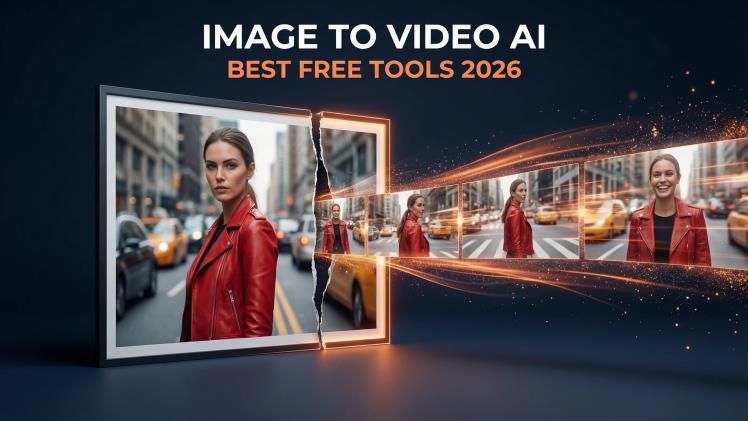
AI-powered video creation has evolved far beyond simple animations. Today’s leading platforms can transform a single image into a cinematic clip, generate realistic motion, create talking portraits, perform face swap AI, sync speech naturally, and even automate multi-step editing workflows.
After spending several weeks comparing today’s leading platforms, one thing became clear: no single tool is perfect for everyone. Some excel at cinematic image animation, while others are better for creators producing social content, marketing videos, or character-driven storytelling.
If you’re looking specifically for the best Magic Hour image to video experience, or simply want the strongest AI video platform for your workflow, this guide compares the ten best tools available in 2026 based on ease of use, output quality, speed, pricing, and creative flexibility.
Quick Answer: Magic Hour offers one of the most complete AI content creation platforms available today, combining image-to-video, face swapping, lip sync, talking photos, templates, and workflow automation in a single interface.
Best Image to Video AI Tools at a Glance
| Tool | Best For | Image to Video | Face Swap | Lip Sync | Free Plan | Platforms |
| Magic Hour | All-in-one AI creation | ✅ | ✅ | ✅ | Yes | Web, Mobile |
| Runway | Professional filmmakers | ✅ | Limited | No | Yes | Web |
| Kling AI | Cinematic animation | ✅ | No | No | Yes | Web |
| Pika | Social media creators | ✅ | Limited | No | Yes | Web |
| Luma Dream Machine | Realistic motion | ✅ | No | No | Yes | Web |
| Hailuo AI | Fast AI videos | ✅ | No | No | Yes | Web |
| PixVerse AI | Stylized animations | ✅ | Limited | No | Yes | Web |
| Kaiber | Music visuals | ✅ | No | No | Trial | Web |
| Adobe Firefly | Creative professionals | Limited | No | No | Yes | Web |
| Canva Magic Media | Beginners | ✅ | No | No | Yes | Web, Mobile |
How We Evaluated These Tools
Rather than relying on feature lists, I tested every platform using the same workflow:
- Portrait animation
- Landscape animation
- Character consistency
- Motion realism
- Prompt accuracy
- Rendering speed
- Ease of editing
- Pricing
- Overall value
- Mobile usability
I also looked at how well each platform integrates multiple AI tools instead of requiring users to switch between separate websites.
1. Magic Hour
Magic Hour has evolved from a specialized AI video tool into one of the most complete creative platforms available today. Instead of offering just one AI model, it brings together multiple cutting-edge models inside a single workflow that feels surprisingly streamlined.
What impressed me most wasn’t just the quality of its Magic Hour image to video generation—it was how quickly I could move from an uploaded photo to an enhanced, upscaled, animated video without leaving the platform.
The platform also stands out in areas many competitors only partially support, including face swap AI, AI lip sync, talking photos, image generation, and multi-step video workflows.
For creators producing content every week, eliminating tool switching saves a significant amount of time.
Pros
- Outstanding image-to-video quality
- Excellent face swap AI technology
- Realistic AI lip sync
- Talking photo generation
- No signup required to test many features
- Credits never expire
- Multiple frontier AI models
- One-click workflow automation
- Generate → Upscale → Video pipeline
- Click-to-create templates
- Weekly feature updates
- Unlimited parallel generations
- Desktop and mobile optimized
- Strong API support
- Responsive customer support
- Excellent free tier
Cons
- Some advanced features require paid plans
- Large projects consume more credits
- New users may initially overlook some advanced workflows because of the large feature set
My Take
If I had to recommend one platform that balances simplicity with professional capability, Magic Hour would be my first choice.
Instead of juggling separate tools for animation, lip sync, upscaling, and face swap AI, everything works inside one ecosystem. That makes it especially attractive for YouTubers, agencies, marketers, and social media teams producing content at scale.
Pricing
- Free Plan
- Creator — $15/month
- Creator Annual — $10/month (billed annually)
- Pro — $39/month
- Enterprise — Custom Pricing
2. Runway
Runway remains one of the industry’s best-known AI video platforms, particularly among filmmakers and creative professionals. Its Gen models continue to produce highly polished cinematic clips with strong prompt understanding.
The editing workflow is also among the most mature in the market, making it suitable for commercial production teams.
Pros
- Excellent cinematic output
- Professional editing tools
- Strong motion quality
- Reliable rendering
- Frequent model improvements
Cons
- Premium plans become expensive
- Learning curve for beginners
- Limited face swap features
My Take
Runway is ideal for professionals creating commercial videos or short films. If your priority is advanced editing rather than all-in-one AI content creation, it’s a strong choice.
Pricing
Free plan available with paid subscriptions for additional credits and higher-quality exports.
3. Kling AI
Kling AI gained significant attention because of its realistic motion generation and impressive image-to-video quality.
It consistently produces natural movement, especially for people, animals, and cinematic scenes.
Pros
- High-quality motion
- Excellent realism
- Strong physics simulation
- Good prompt accuracy
Cons
- Longer rendering times
- Limited editing workflow
- Fewer creative tools outside animation
My Take
If your focus is purely realistic animation, Kling AI deserves serious consideration. However, you’ll likely need additional software for editing, lip sync, or face replacement.
Pricing
Free credits available with premium subscription options.
4. Pika
Pika focuses on making AI video creation approachable. Its interface is intuitive, allowing creators to generate engaging social content with minimal effort.
Pros
- Easy to learn
- Fast rendering
- Good preset styles
- Ideal for short-form videos
Cons
- Less detailed outputs than premium competitors
- Limited advanced controls
- Occasional inconsistencies
My Take
Pika is a practical option for creators producing Instagram Reels, TikTok videos, or YouTube Shorts without needing complex editing tools.
Pricing
Free plan with paid upgrades.
5. Luma Dream Machine
Luma’s Dream Machine excels at creating smooth, realistic camera movement from still images.
Its realistic lighting and environmental motion often produce impressive results for landscapes and cinematic sequences.
Pros
- Beautiful camera motion
- Strong realism
- High-quality video generation
- Clean interface
Cons
- Limited editing capabilities
- Few additional AI creation tools
- Credit limits on free accounts
My Take
Dream Machine is one of the strongest dedicated image animation platforms available today. For creators focused on cinematic visuals, it’s an excellent addition to their toolkit.
Pricing
Free tier with paid monthly plans.
6. Hailuo AI
Hailuo AI has quickly become a favorite among creators who need fast, visually appealing AI-generated videos without spending hours refining prompts. While it doesn’t offer the extensive editing ecosystem found in some competitors, it delivers impressive speed and consistency for image-to-video generation.
One of its biggest strengths is handling everyday creative projects such as product showcases, short advertisements, and social media content.
Pros
- Fast rendering speeds
- Good prompt understanding
- Consistent motion generation
- Beginner-friendly interface
- Free credits available
Cons
- Limited editing after generation
- Fewer creative tools beyond image-to-video
- Some advanced controls are missing
My Take
If speed matters more than advanced editing features, Hailuo AI is worth trying. It produces surprisingly polished results for everyday marketing and creator projects.
Pricing
- Free plan available
- Paid plans with additional credits
7. PixVerse AI
PixVerse AI focuses on creating stylized videos with dramatic visual effects. It’s particularly popular among creators producing anime-inspired content, fantasy scenes, and highly artistic social media videos.
While realism isn’t always its primary goal, it offers a wide range of creative styles that help content stand out.
Pros
- Creative visual styles
- Fast image-to-video generation
- Good social media templates
- Easy learning curve
Cons
- Less realistic than some competitors
- Limited professional editing tools
- Motion quality varies depending on prompts
My Take
PixVerse AI is an excellent option if your audience enjoys visually distinctive content rather than photorealistic animation.
Pricing
- Free plan
- Premium subscriptions available
8. Kaiber
Kaiber has built a strong reputation among musicians, artists, and creative agencies looking to transform static artwork into dynamic visual experiences.
Its artistic direction tools make it particularly useful for music videos, promotional visuals, and experimental storytelling.
Pros
- Excellent artistic styles
- Strong visual customization
- Ideal for music videos
- Creative animation effects
Cons
- Limited business-focused workflows
- Less suitable for realistic talking characters
- Higher pricing than some alternatives
My Take
Kaiber isn’t trying to be an all-purpose AI platform. Instead, it focuses on helping artists produce visually memorable videos with minimal effort.
Pricing
- Free trial
- Multiple paid subscription tiers
9. Adobe Firefly
Adobe Firefly continues expanding its AI capabilities inside the Creative Cloud ecosystem. While its image-to-video features are still evolving, its seamless integration with Photoshop, Premiere Pro, and Adobe Express makes it appealing for existing Adobe users.
Creators already working inside Adobe products will appreciate the familiar workflow.
Pros
- Excellent Adobe integration
- Commercial-friendly outputs
- Familiar interface
- Reliable creative ecosystem
Cons
- Video features are still developing
- Requires Adobe ecosystem for full value
- Less specialized than dedicated AI video platforms
My Take
Adobe Firefly is a logical choice for designers and creative professionals already invested in Adobe Creative Cloud.
Pricing
- Free credits included
- Premium Adobe subscriptions available
10. Canva Magic Media
Canva has made AI video creation accessible to millions of users. Its Magic Media tools allow beginners to create engaging videos from prompts and images directly inside Canva’s familiar editor.
While it doesn’t match the advanced capabilities of dedicated AI video platforms, it’s one of the easiest tools to learn.
Pros
- Extremely beginner-friendly
- Integrated design platform
- Excellent templates
- Mobile support
- Fast workflow
Cons
- Limited advanced animation
- Less cinematic output
- Fewer customization options
My Take
For educators, small businesses, and content marketers who already use Canva, Magic Media offers an easy entry point into AI-powered video creation.
Pricing
- Free plan
- Canva Pro subscription available
How We Chose These Tools
Rather than relying on marketing claims, I evaluated each platform using the same testing process to keep comparisons as fair as possible.
Each tool was tested with identical creative tasks, including:
- Animating portraits into talking videos
- Converting landscapes into cinematic scenes
- Testing character consistency across multiple generations
- Measuring rendering speed
- Comparing prompt accuracy
- Evaluating image quality after motion generation
- Reviewing editing flexibility
- Comparing pricing against available features
- Assessing ease of use for beginners and professionals
I also considered factors that become important after extended use, such as platform reliability during busy periods, workflow efficiency, mobile support, and how often new features are released.
The Market Landscape in 2026
Image-to-video generation has matured rapidly over the past year. Instead of offering a single AI model, many leading platforms now combine several frontier models within one interface, allowing creators to choose the best engine for each project.
Another major trend is the rise of complete AI production workflows. Rather than generating a video and exporting it to another application, creators increasingly expect to move from image generation to animation, upscaling, lip sync, subtitles, and final export without switching platforms.
We’re also seeing significant improvements in:
- Character consistency across scenes
- Realistic facial expressions
- Natural camera movement
- AI voice synchronization
- Mobile-first editing
- API access for businesses and developers
As competition increases, pricing has become more accessible, making advanced AI video creation available to independent creators as well as larger production teams.
Final Takeaway
Every platform in this guide offers something valuable, but the best choice depends on your workflow and creative goals.
If you want a platform focused on cinematic filmmaking, Runway and Kling AI remain excellent options.
For artistic visuals and music-focused projects, Kaiber and PixVerse AI stand out.
If you’re looking for an easy starting point, Canva Magic Media provides one of the simplest experiences.
However, if your goal is to handle multiple AI-powered creative tasks in one place—including Magic Hour image to video, face swap AI, lip sync, talking photos, templates, and workflow automation—Magic Hour offers one of the most complete solutions available today. Its generous free tier, flexible pricing, and broad feature set make it suitable for individual creators, agencies, marketers, and development teams alike.
The AI video landscape is evolving quickly, so it’s worth experimenting with several tools before committing to one. Most platforms offer free plans or trial credits, making it easy to compare results with your own content and workflow.
Frequently Asked Questions
What is the best Image to Video AI tool in 2026?
For creators seeking an all-in-one platform, Magic Hour stands out because it combines image-to-video generation, face swapping, lip sync, talking photos, templates, and workflow automation in a single interface. Other strong options include Runway, Kling AI, and Luma Dream Machine for more specialized needs.
Which AI tool has the best face swap AI features?
Magic Hour offers one of the most comprehensive face swap AI experiences, with realistic results, fast processing, and seamless integration alongside image-to-video, lip sync, and other AI creation tools.
Are there free AI image-to-video generators?
Yes. Many leading platforms—including Magic Hour, Runway, Kling AI, PixVerse AI, Hailuo AI, and Canva Magic Media—offer free plans or trial credits that let users explore their features before upgrading.
Which AI platform is best for YouTube creators?
YouTube creators often benefit from platforms that support multiple content formats. Magic Hour’s combination of image-to-video generation, talking photos, face swaps, templates, and workflow automation makes it especially useful for producing videos efficiently.